Occupational Health and Safety Training was Held for Our Faculty of Medicine Students
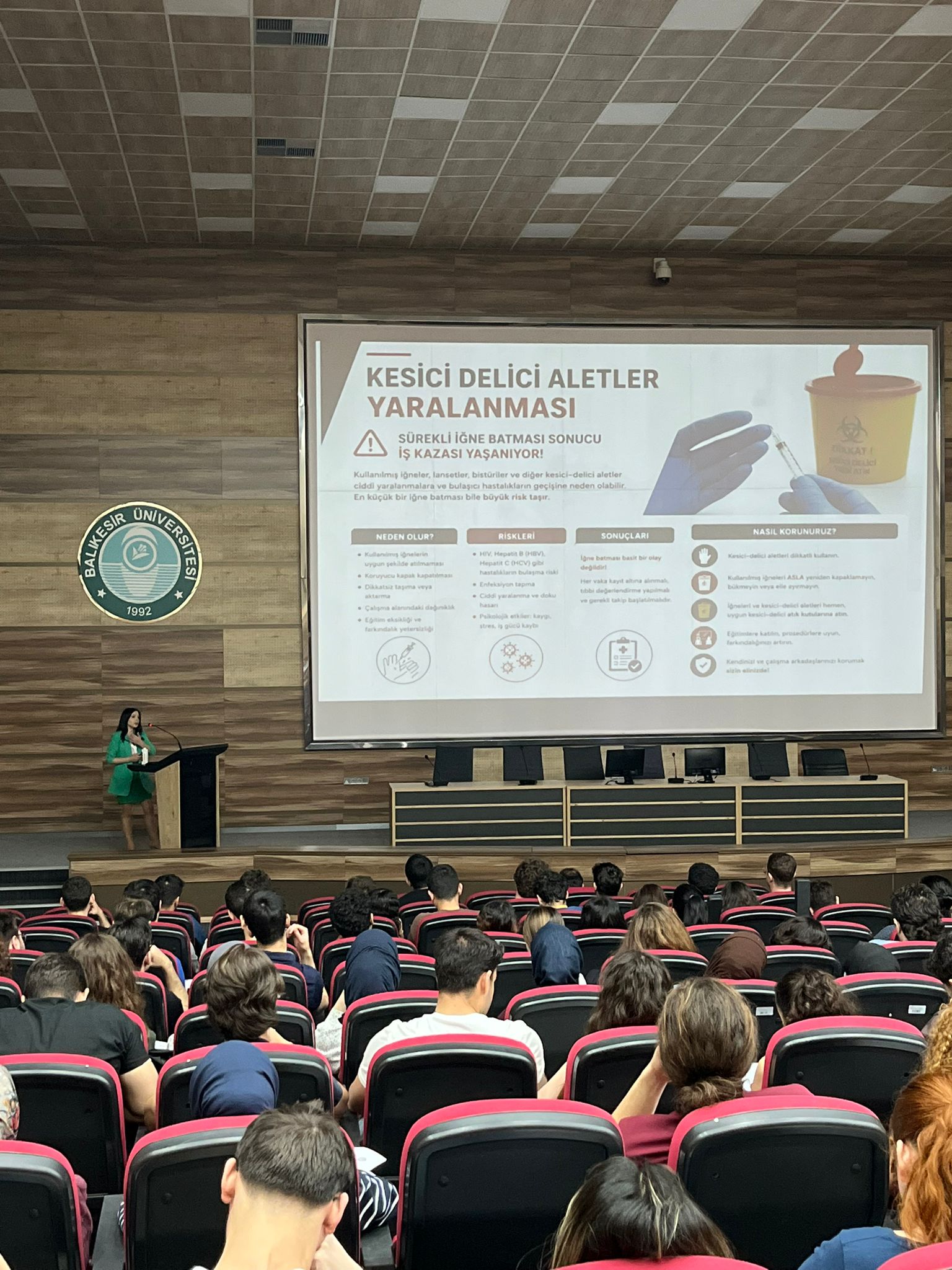
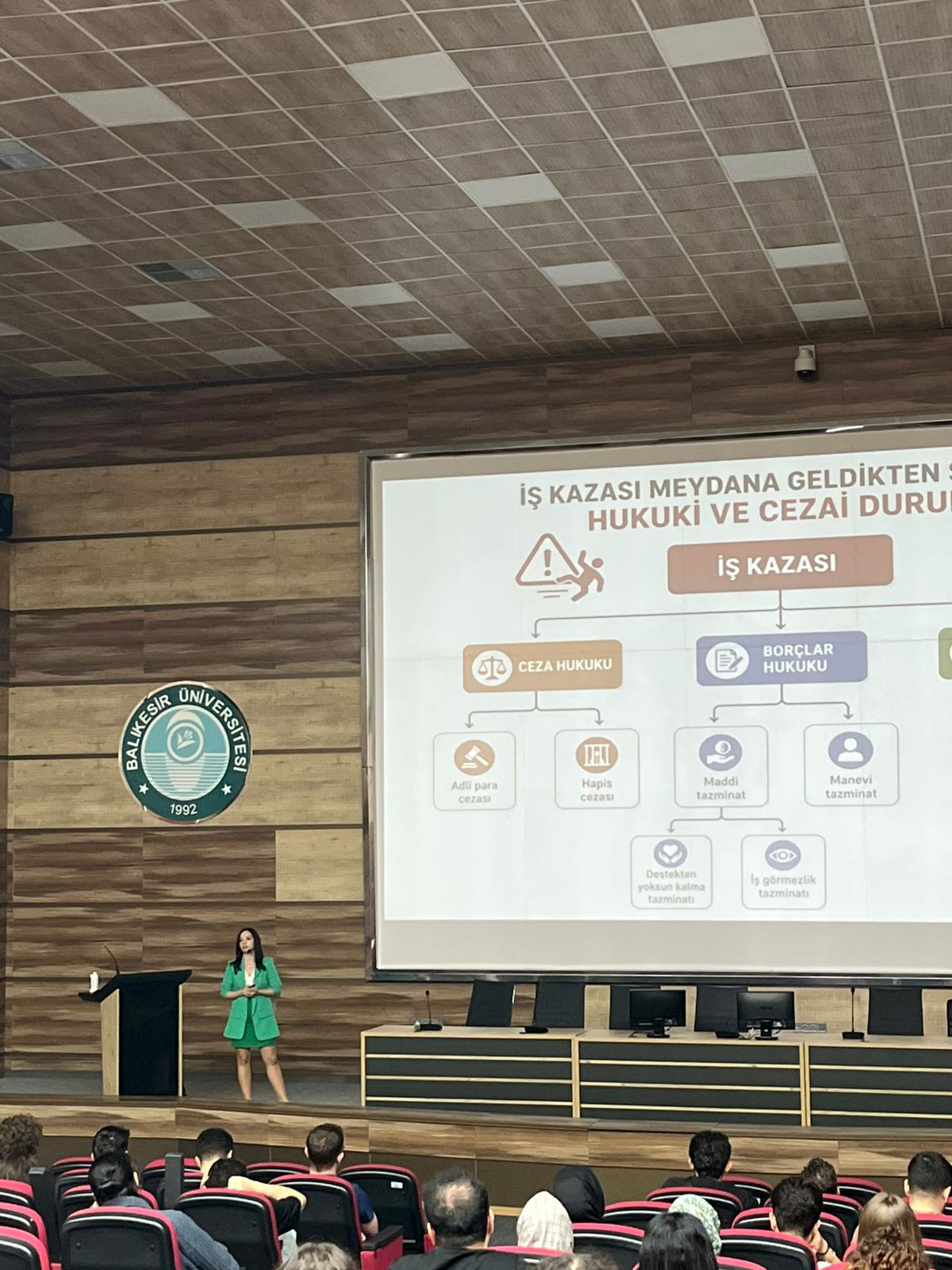
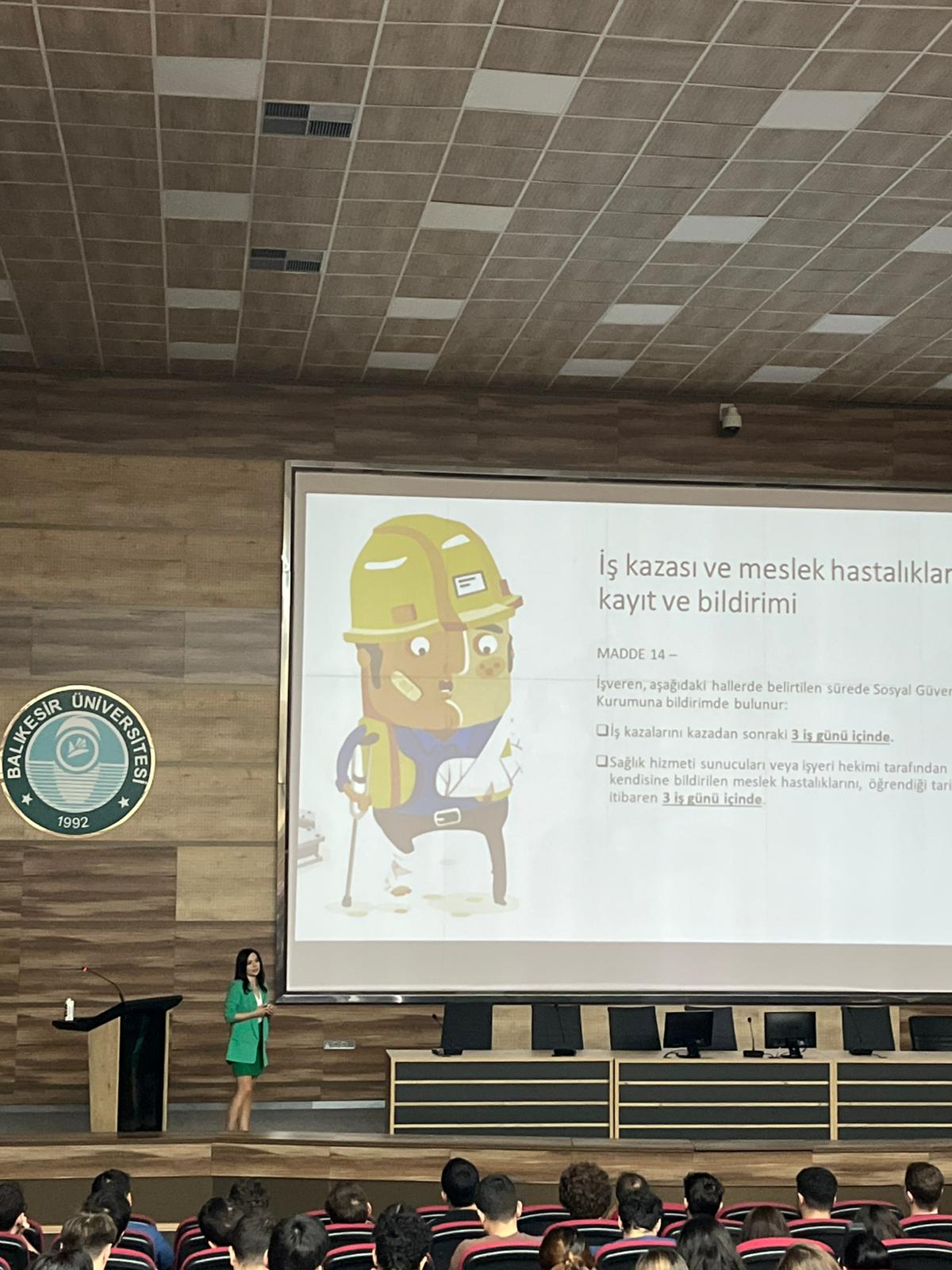
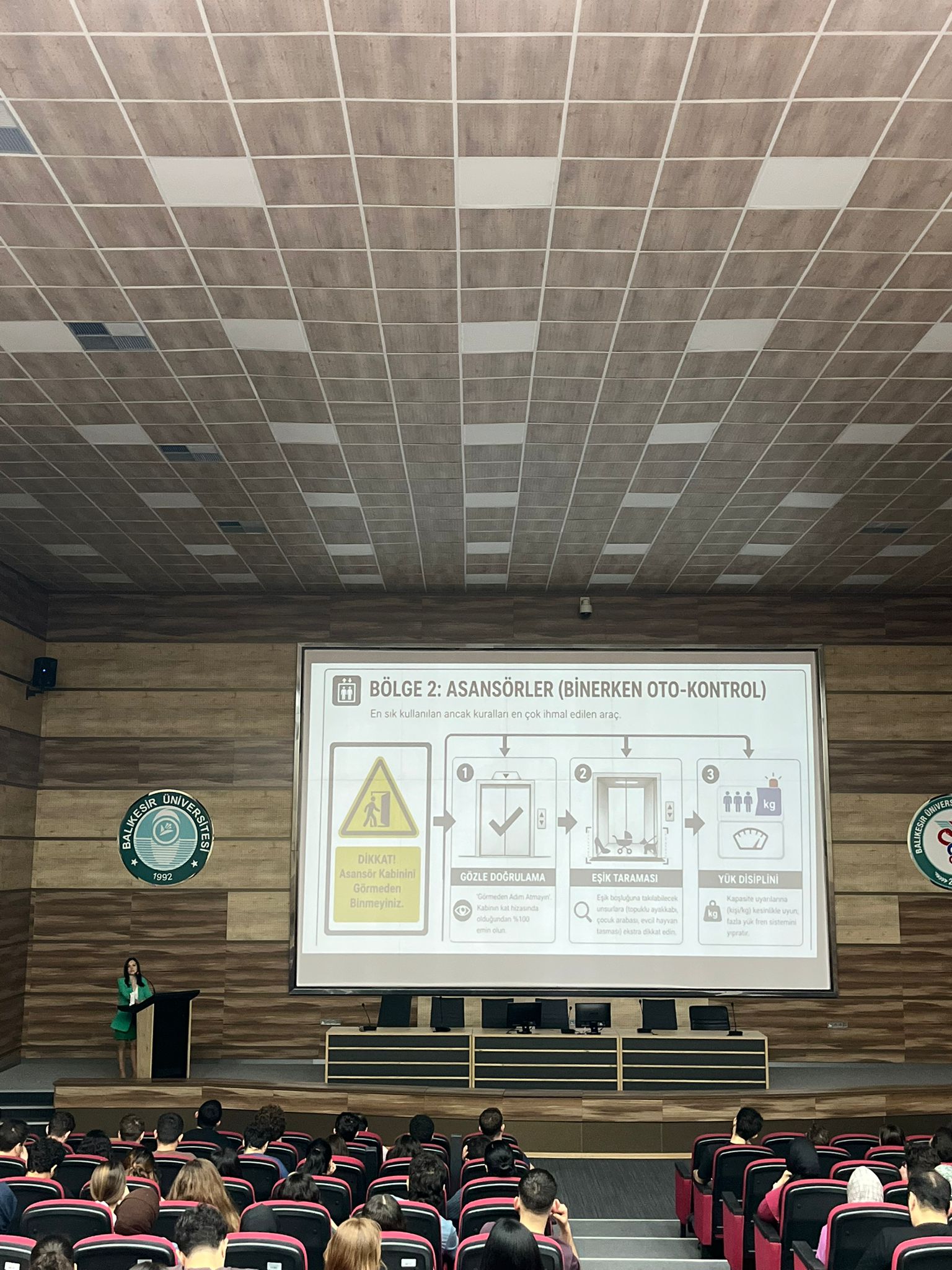
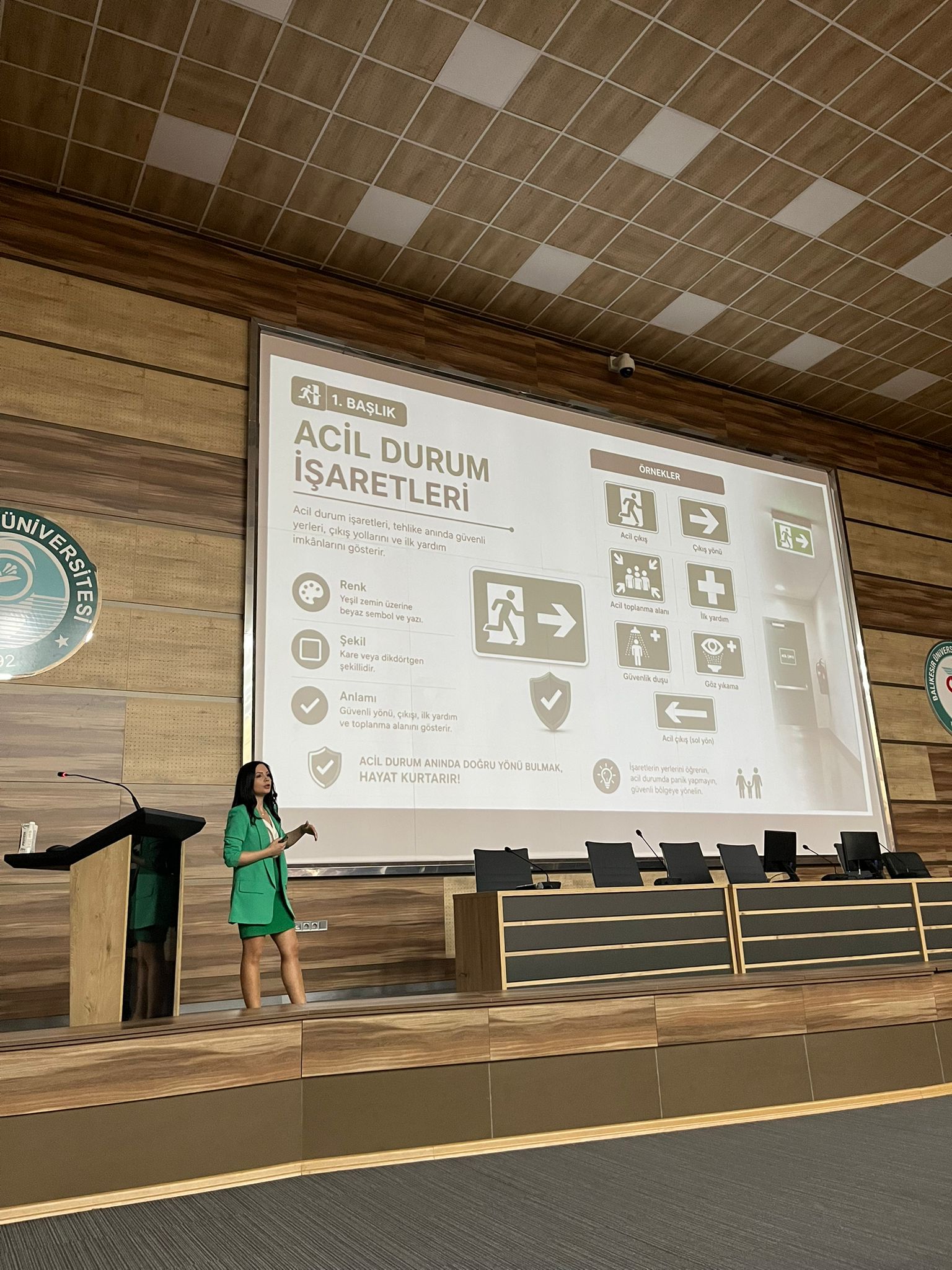
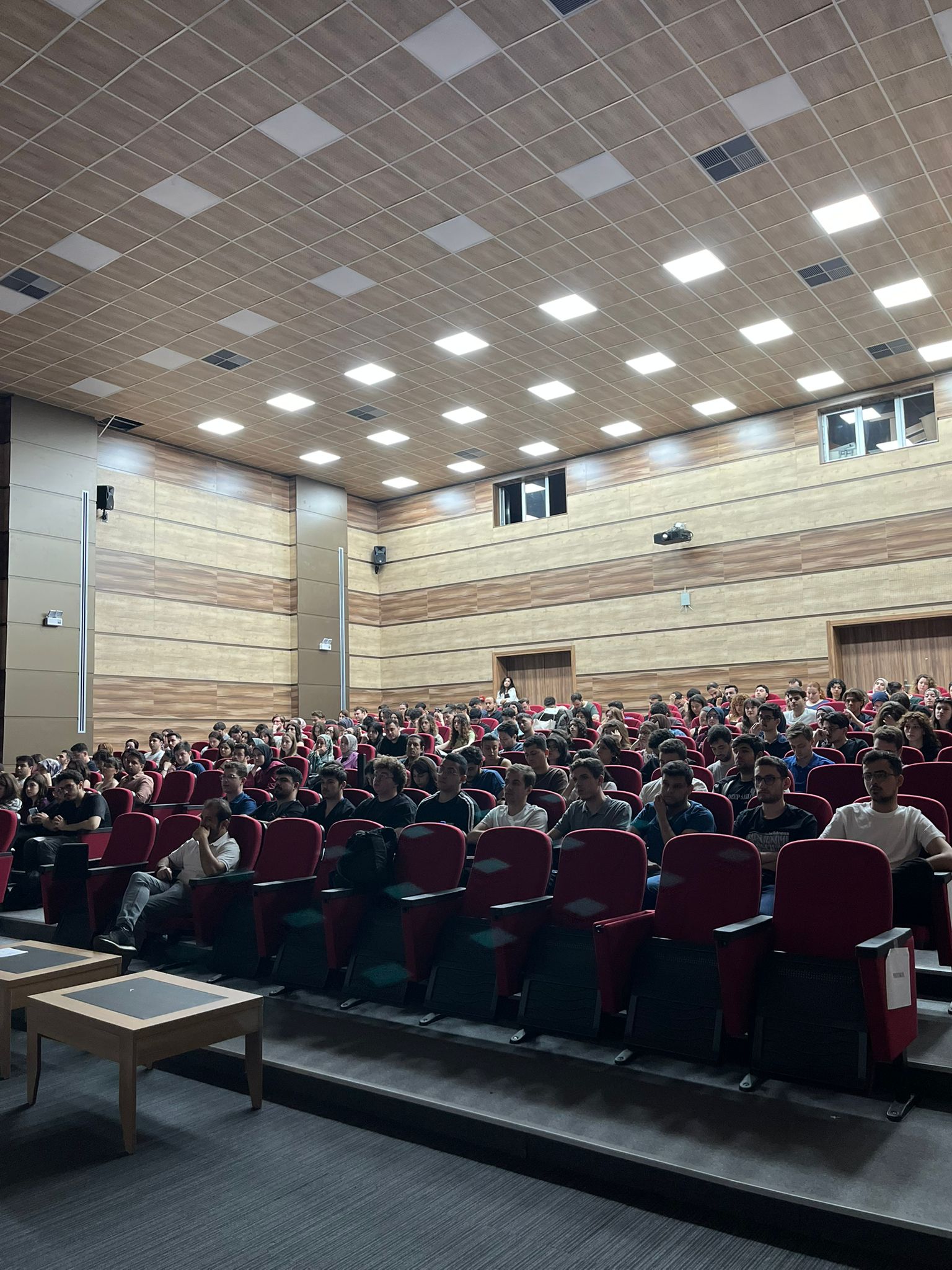
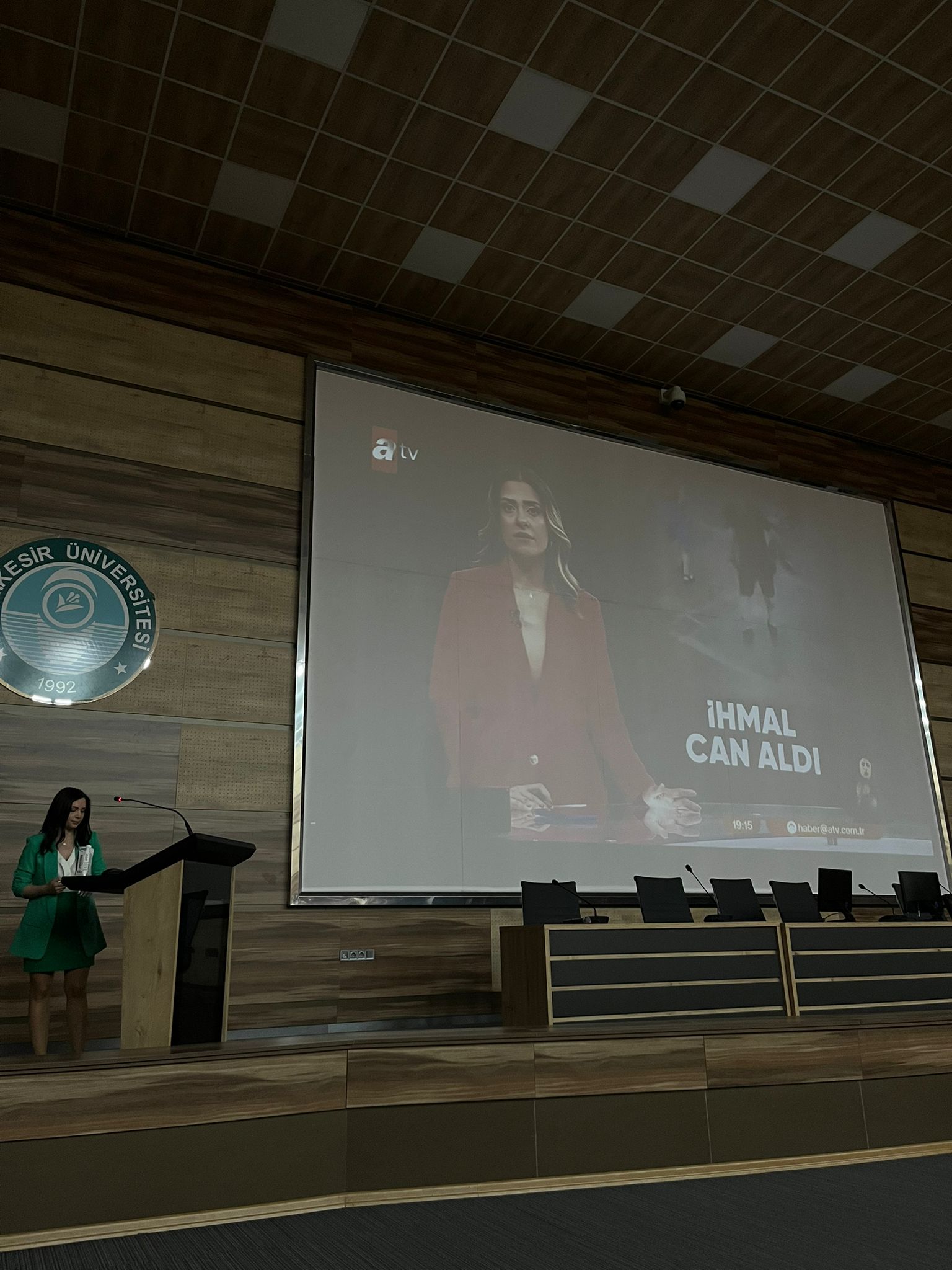
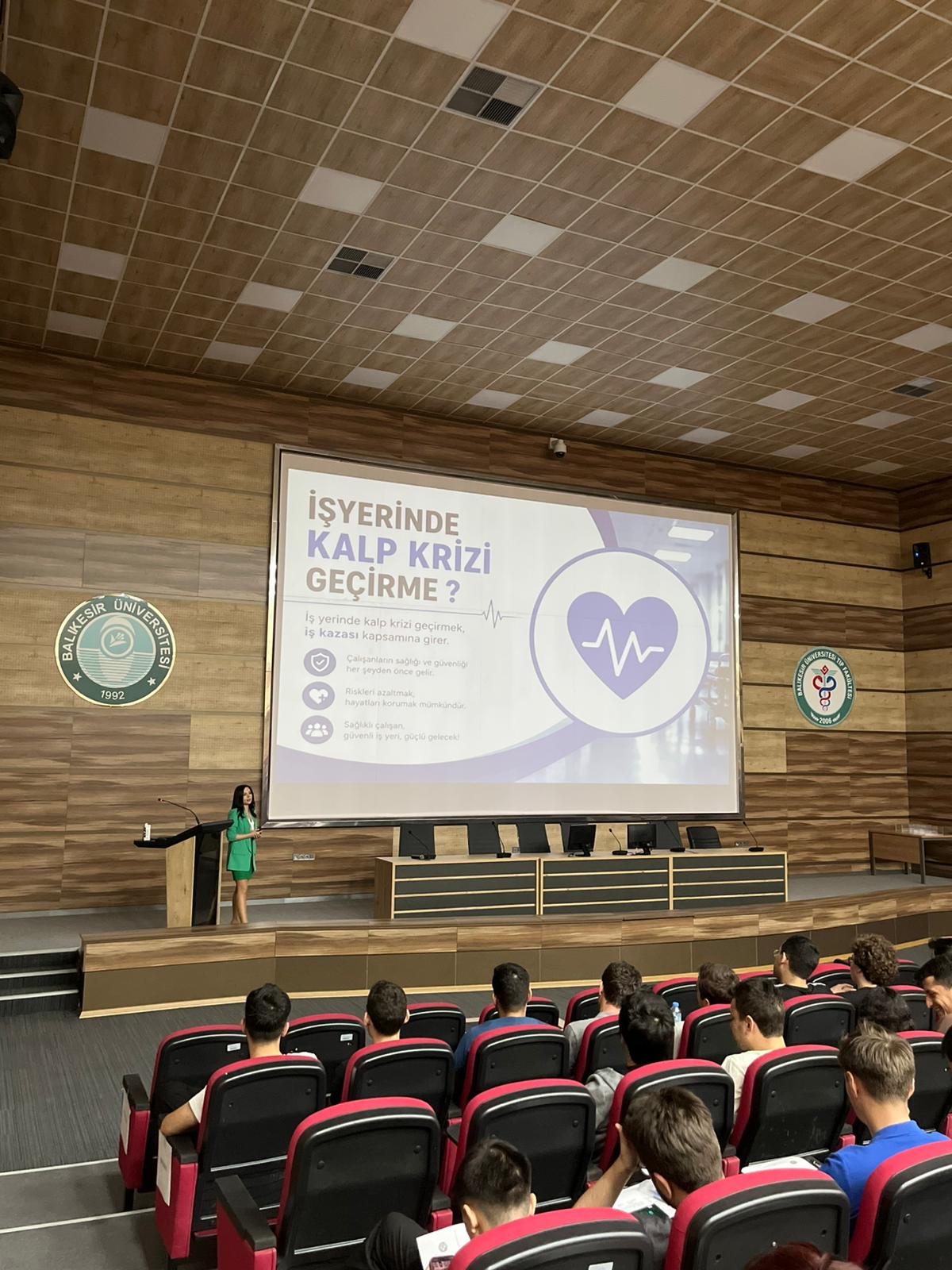
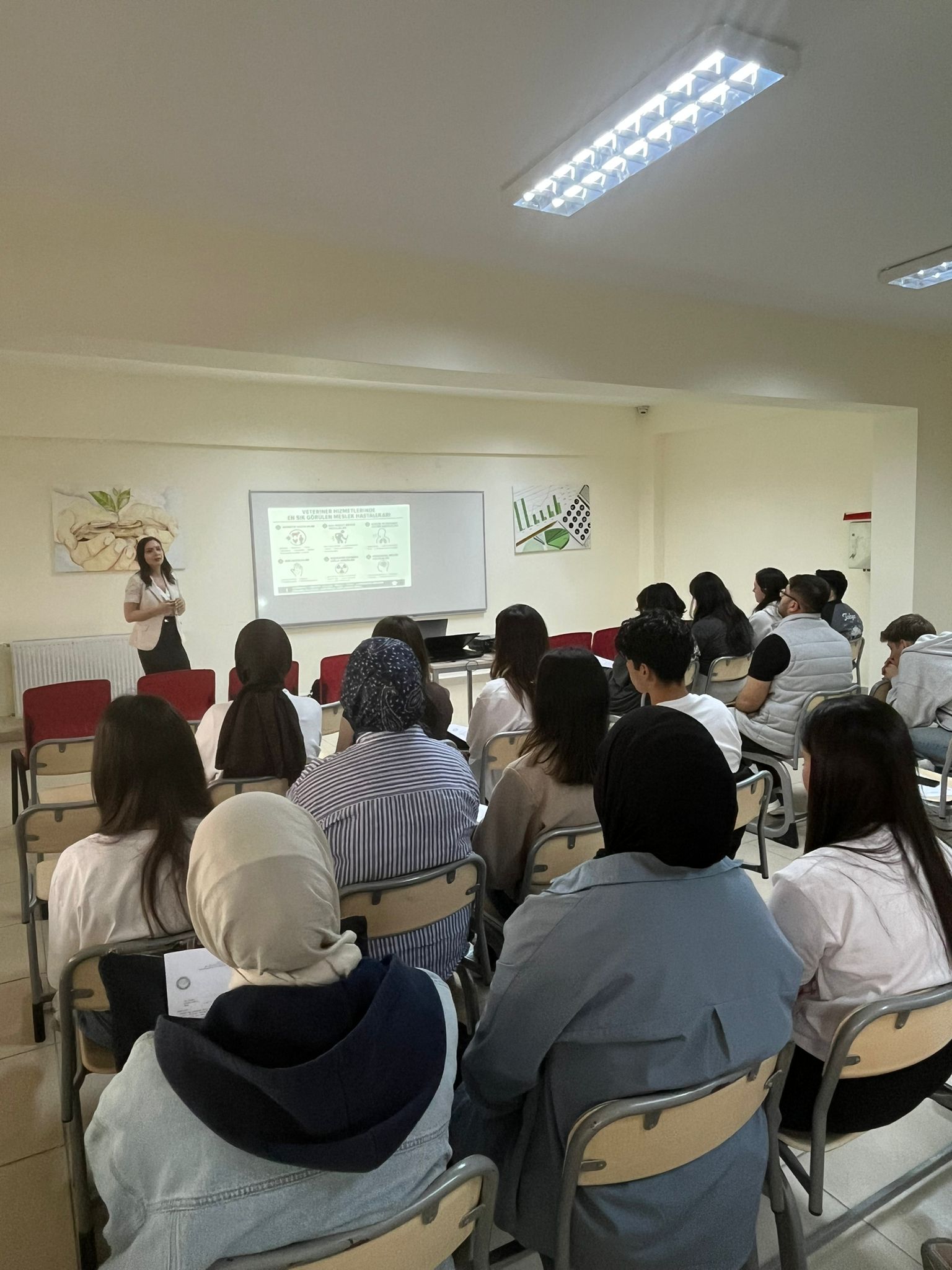
A comprehensive "Occupational Health and Safety (OHS)" training was conducted to raise awareness among our Faculty of Medicine students regarding the occupational risks they may encounter during clinical practices, internships, and laboratory work. Our students showed great interest in this important program, which aims to safely prepare future physicians for challenging working environments.
In the training delivered by expert OHS trainer Dilara Özesmer, physical, chemical, biological, and psychosocial risks specific to hospital and laboratory environments were discussed in detail, taking into account the hazard class of the healthcare sector. During the presentation of healthcare services, it was emphasized that both patient and employee safety are an inseparable whole.
Key Topics Covered in the Training:
Biological Risk Factors and Infection Control: Diseases transmitted through blood and body fluids, respiratory tract infections, standard isolation precautions, and the critical importance of hand hygiene.
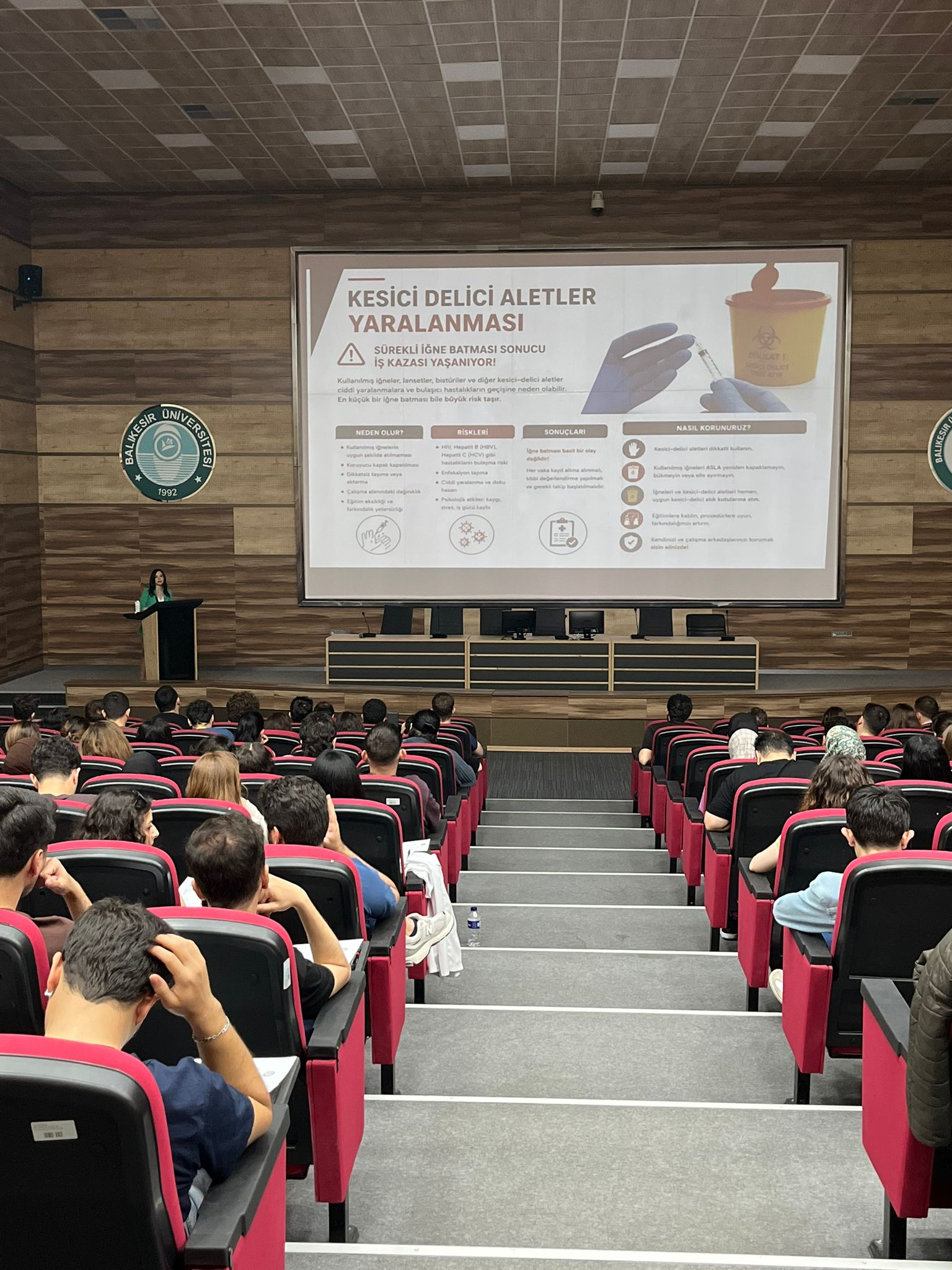
Sharps and Puncture Injuries: Safe use of medical instruments such as syringes, scalpels, and suture needles, management of medical waste containers, and emergency notification procedures to follow in case of an injury.
Chemical and Radiation Safety: Safe working principles for disinfectants, sterilization chemicals, and chemotherapeutic agents, along with protective measures in radiology areas.
Medical Waste Management: Proper source-separation of hospital waste (medical, domestic, hazardous, etc.) and its effects on environmental health.
Ergonomics and Psychosocial Risks: Prolonged standing, fatigue from the shift system, patient handling techniques, and ways to prevent burnout.
"First Do No Harm Principle Begins with the Physician's Own Safety"
In the speeches given at the event, it was emphasized that the fundamental principle of medicine, "First, do no harm," begins with the physician protecting his or her own health and safety. The importance of our physician candidates internalizing occupational health and safety culture before starting their clinical rotations was underlined in terms of both their own careers and public health.